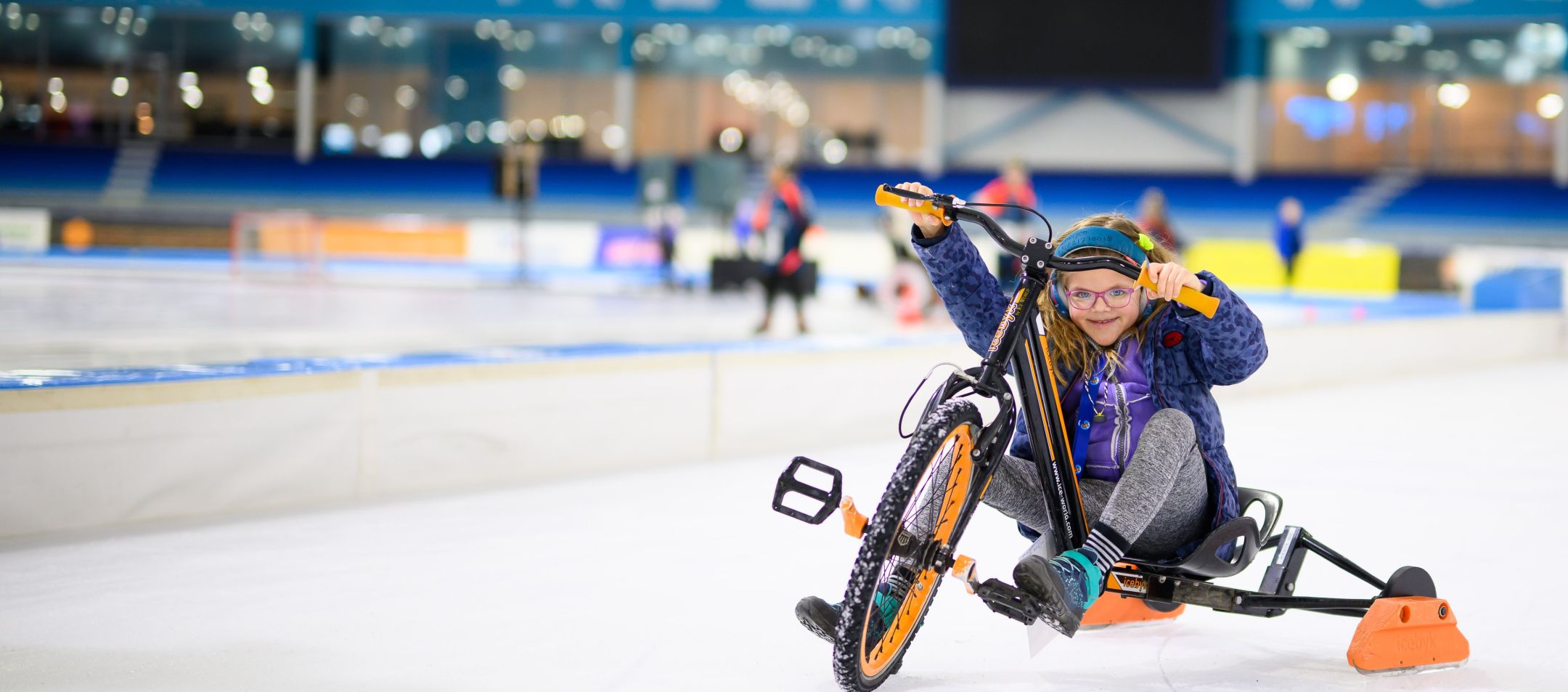
Worldwide, children and young people are not getting enough physical activity, particularly those aged 12 to 17. Girls are consistently less active than boys. At the same time, screen time is increasing. In the Netherlands, people spend an average of more than nine hours a day sitting, often in front of a screen. This global trend is leading to a less active lifestyle, with consequences for both health and social skills.
Even in the Netherlands, sport and physical activity are not a given for everyone.
The facts speak for themselves:
- 40% of Dutch children aged 4–11 do not meet the physical activity guidelines.
- 59% of Dutch young people aged 12–17 do not get enough exercise.
- Globally, 81% of young people do not meet the recommended activity levels.
- In the United Kingdom (80%), Spain (77%), and the Dutch Caribbean (87%), similar figures can be seen.
- On average, girls in Europe are 10% less active than boys.
- 60% of children with an intellectual disability and 70% of children with a physical disability do not take part in weekly sport.
For children with a disability in particular, sport and physical activity are especially important. It helps them feel better in themselves and cope more effectively with everyday challenges.
In countries where we operate, such as South Africa, access to sport is often even more limited. Basic services such as education, healthcare, and safety take priority there, making sport less of a given. This makes the need to create opportunities for sport and play in these contexts all the more urgent.